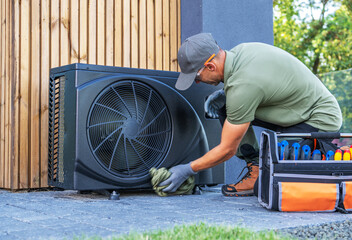
Replacing your system with a new, matched indoor and outdoor unit ensures that the system will work together at peak efficiency and comfort. Choosing the right contractor ensures code-compliant installation, helps preserve equipment warranties and reduces future repair costs.
Clear the area around the indoor and outdoor units to give the crew easy access. Remove furniture, trim plants and clear away any clutter. Contact AIR CONDITIONING REPLACEMENT LOVELAND OH for more details.
Refrigerant Removal
Over time, even the best air conditioning systems show signs of wear and tear. As the system ages, it becomes less efficient and can break down more frequently. Eventually, replacing the system becomes necessary to maintain comfort and ensure home safety. Choosing an HVAC company and planning ahead are key to making the process as smooth as possible.
Before starting any work, a certified professional will remove the existing refrigerant from the system. This process is a critical part of any AC replacement project because refrigerant is a regulated substance that needs to be handled and removed properly. This helps prevent environmental pollution and ensures that all legal requirements are met.
Refrigerants such as Freon are potent greenhouse gases that can damage the ozone layer and contribute to climate change. They must be removed from the old unit using specialized equipment to avoid releasing them into the atmosphere. This helps reduce the impact on our environment and protects the safety of all homeowners.
Air conditioners that are low on refrigerant will not cool properly, and this can lead to other problems. For instance, an AC that is low on refrigerant will cycle on and off more frequently, which can cause excessive wear and tear on the compressor and result in uneven cooling throughout the home. It can also increase energy costs and lead to high repair bills.
Before the technician starts working on your air conditioning replacement, they will vacuum the refrigerant lines and check for any leaks. Leaks can cause the system to run inefficiently, so if there are any, they must be repaired before continuing. In addition, refrigerants are under high pressure, so technicians must take precautions to ensure their safety.
During the removal process, it is important that you keep children and pets away from the area to protect their health and the technician’s safety. It is also a good idea to set up fans and portable air conditioners in cooler areas of the house, as the installation may cause your home to get warm. Lastly, make sure to plan accordingly because the process can take anywhere from a few hours to a full day.
Installation
Upgrading or replacing an air conditioner is a major project that impacts your home’s comfort, energy efficiency, and indoor air quality. The process can seem complex, but understanding what to expect from the installation helps ensure that it goes smoothly.
Once the old equipment is removed, the HVAC team will install your new AC system. This will take a few hours to a full day, depending on the size and complexity of your home’s AC system. The installation will include the new outdoor unit and ductwork, as well as a new thermostat and electrical connections. The technicians may also make ductwork repairs or upgrades during this phase, if necessary.
After the new AC system is installed, your technician will run a pressure and vacuum test to check for proper operation. Then, they’ll add refrigerant and activate the system. Afterward, they’ll inspect your new system and make any adjustments to optimize performance.
During the installation, it’s important to keep children and pets away from the work zone for their safety and to allow the technicians to complete the job as quickly as possible. Also, clear out space around the indoor and outdoor units to give them easy access and help avoid accidental damage. You’ll want to move vehicles away from the outdoor unit and trim back overgrown plants, too.
Before the team leaves, be sure to ask them any questions you have about your new air conditioning system. For instance, it’s helpful to know how often filters should be changed, the best way to set your thermostat, and when you should schedule a maintenance visit. Many HVAC companies offer a follow-up support line or direct contact for these types of questions.
The installation process can be noisy, so it’s important to keep kids and pets in a safe area away from the work zone. This prevents them from becoming distracted or accidentally stepping on or running into equipment. It’s also a good idea to turn off any loud appliances in the vicinity, such as refrigerators and ovens.
Testing
The HVAC professionals will test the new system to ensure it is working correctly. They will also clean any areas that were used during the installation process and make sure the unit is properly seated, and the ductwork is secure and free of leaks. Finally, the technicians will connect the air conditioning unit to the electrical wiring and inspect it for proper operation. The technicians will place drop cloths or paper on any surfaces that could be damaged by the dust or debris from the work area, and they will move furniture out of the way for you.
When to Replace Your Air Conditioner
Frequent AC repairs can be expensive and often prove more cost-effective in the long run to simply purchase a new air conditioning replacement. An aging unit is likely to experience increasing mechanical problems and may need frequent replacement parts. A new AC replacement will also be more energy efficient, resulting in lower utility bills and improved home comfort.
A professional assessment is important to help you decide whether to repair or replace your AC. A technician will consider your specific needs, such as cooling capacity and efficiency ratings, and discuss the pros and cons of different types of units. For example, some homes are better served by a ductless mini-split while others will benefit from a traditional central AC system or a heat pump.
Choosing the right system size is also vital for ensuring it meets your home’s needs without overworking or underperforming. A system that is too small or too large will be inefficient and costly to operate. The HVAC professional will help you determine the ideal size for your home.
The HVAC professionals will disconnect and remove the old unit, draining the refrigerant for safe disposal. They will then connect the new HVAC system and drain, reattach any wires, and make final connections. The technician will then vacuum the refrigerant lines to clear any moisture or air contamination. Then, they will charge the system with the correct amount of refrigerant, which is a crucial step to improve efficiency and maximize cooling power.