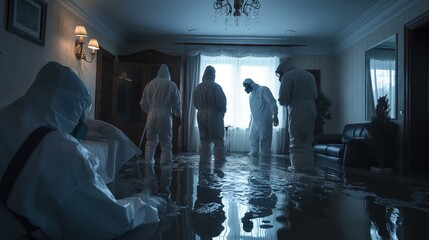
Author: Justin Howe

Water Damage Cleanup Cost

Water Damage Cleanup Salt Lake City

The cost of water damage cleanup varies based on the source and extent of the damage. It includes costs for local material/equipment delivery and service provider transportation to and from the job site.

The most hazardous water is category 4, which contains sewage or other contaminants. This requires more extensive cleaning protocols and safety equipment, which increases costs. Contact Water Damage Cleanup Salt Lake City to learn more.

Extraction

Water damage is a destructive process that can destroy appliances, lead to structural issues and promote the growth of harmful mold. It is important to act quickly to prevent long-term problems. An immediate response by professionals is critical to reducing repair costs and minimizing property loss. The cost of Water Damage Cleanup services depends on a number of factors, including the type and volume of water and the amount of work needed to remediate the damage.

The first step is water extraction. Professional water restoration companies use pumps, vacuums and other specialized equipment to remove as much water as possible. They also dehumidify and dry the affected areas to avoid bacterial contamination and structural damage. This is a crucial step because water damage doubles every 24 hours, and immediate action can save thousands in repairs.

Extraction services can range from $3 to $7 per square foot, depending on the type of water and the area affected. Class 1 water, which is caused by a burst pipe or rainwater, is usually less expensive to extract than contaminated categories 2 and 3. These are typically caused by washing machines or dishwashers and are more likely to contain bacteria. Category 3 is considered black water because it contains sewage or ground contaminants and requires extra safety precautions. This is the most costly to extract and requires extensive sanitization.

There are several other things that can increase your Water Damage Cleanup cost, including the volume of water and the source of the water. For example, if your home is flooded by a burst water pipe, you may need to repair the pipes as well as clean and dry the affected areas. This can add up to a significant bill, so it is best to consult a company that offers comprehensive services to minimize your costs.

The Water Damage Cleanup cost includes all the steps necessary to restore the damaged area and make it safe for habitation. This includes everything from the initial water cleanup to drying and dehumidification. It also includes repairing any structural damage and the removal of hazardous materials. Water damage restoration is a complex task that requires specialized equipment, so it’s important to hire a professional to ensure the job is done correctly.

Dehumidification

When water damage occurs, professional restoration experts quickly stop the flow of moisture and start the drying process to prevent long-term issues like mold growth and structural damage. Throughout the process, they utilize dehumidifiers to lower humidity levels and speed up structural drying. Using the right tools and equipment, they also eliminate musty odors and promote a healthy environment for property owners.

Moisture is the root cause of many water-related problems, and it can linger in hidden places even after water is extracted or leaks are fixed. Without dehumidification, this moisture can trigger mold and mildew growth, cause wood to warp or weaken, and make drywall unusable. High moisture levels are also a breeding ground for harmful bacteria, which pose health risks and cause respiratory issues for homeowners.

During the drying and cleanup process, professionals often use hygrometers to measure overall humidity in spaces affected by water damage. This information helps them optimize the dehumidification equipment they bring in, ensuring each space is properly dehumidified and dry to avoid secondary issues.

Dehumidifiers are often overlooked, but they’re an integral part of the water restoration process. They extract excess moisture and lower humidity levels, speeding up the drying process, preventing long-term damage, and keeping spaces clean and healthy.

There are a variety of different types of dehumidifiers available, and the best one for any situation depends on the type of water and its source. For example, Class 1 (clean) water is less costly to remove and dry than Category 3 black water, which can contain dangerous bacteria and affect porous building materials like drywall and wooden floor joists.

For most homes, a refrigerant dehumidifier is the best option for removing moisture from the air. These units work by drawing warm, moist air across internal evaporator coils where the cool temperature causes the moisture to condense and fall into a reservoir. Then, the dehumidifier releases the dried air back into the space and warms up the evaporator coils to start the process over again. For large areas, whole-home dehumidifiers that are integrated into HVAC systems work best. Smaller spaces and low-temperature environments benefit from desiccant dehumidifiers that use absorbent material to draw out moisture.

Mold Remediation

Mold remediation is a multi-step process to identify and treat spores that have grown in your home due to water damage. Mold spores are airborne and can easily spread from room to room through open windows, doors, and AC/heating systems or hitch a ride on clothing or pets. These spores can also cause additional damage to your property and pose health risks. The first step in mold remediation is containment. This involves setting up a physical barrier such as plastic sheeting to prevent spores from spreading outside of the affected area. A certified technician will also use a variety of other comprehensive safety measures to ensure your health and their own. This will include wearing personal protective equipment, creating a decontamination chamber, and performing a post-remediation inspection.

Once a containment plan is in place, it’s time to begin the cleanup and redevelopment of the affected area. Your technician will assess the extent of the mold growth and determine if the materials it has infected must be removed or cleaned. Non-porous materials such as drywall can be cleaned and disinfected, while porous or semi-porous materials will need to be removed and replaced. Mold cleaning techniques vary, but they can be as simple as washing and rinsing with clean water or as complicated as applying biocide/fungicide/moldicide to the area.

After the mold is removed and any contaminated materials are disposed of, your restoration specialist will perform any necessary structural repairs to your home. This can be as simple as fixing a piece of drywall or as complex as replacing an entire floor or wall. Depending on the severity of the mold and the extent of the repair, it can take days or weeks to complete the mold remediation process.

Most insurance companies cover most or all of the costs of water damage and mold removal, provided the damage was caused by an unexpected peril. To maximize the likelihood of a successful claim, homeowners should carefully document the damage and work with a restoration company familiar with insurance claims processes.

Often, the initial assessment for water damage will uncover hidden problems that can result in a more significant bill. It’s important to have a full water damage restoration project completed promptly to avoid further complications, and to minimize the cost of repair and replacement.

Structural Repairs

The amount of structural repair work needed will depend on the severity of the water damage and the source. For example, a basement filled with an inch of clean water from a burst pipe will likely cost less than two feet of water that has caused foundation issues due to sewage backup. Identifying the source of the water is part of the initial inspection that property restoration experts conduct. This enables them to make preliminary estimates for cleaning and repairs.

The type and class of the water will also influence the final restoration costs. Water is categorized by class and category according to standards set by the Institute of Inspection, Cleaning and Restoration Certification (IICRC). The highest level of contamination, known as category 3, causes significant and widespread damage. This typically occurs when water has affected multiple rooms, including insulation, walls and subflooring. Most often, this is the result of overhead flooding, such as from a burst roof or ceiling.

Depending on the class of water, restoration may include drywall and other replacement, painting and texturing, sanding and refinishing, and carpet and flooring repair or replacement. It may also require specialized equipment and labor to dry porous materials, such as concrete or hardwood. It is important to note that a home will take a long time to fully dry after water damage, and it may be necessary to hire professionals for longer durations than the typical 3-5 day period.

A homeowner can minimize the need for costly repairs due to water damage by performing basic preventative maintenance and utilizing newer technology to monitor and detect leaks. For example, by preventing water intrusion through gutters and downspouts by sealing cracks, replacing deteriorating caulking, regularly checking appliance lines and hoses for signs of wear, and having plumbing professionally inspected every one to two years.

Getting timely water damage restoration and addressing issues such as mold remediation can increase the value of a home and protect the health and safety of its residents. Whether the problem stems from a sudden disaster or from slow-growing leaks, professional restoration experts are ready to help 365 days a year.


The Real Cost of Construction Projects — And How to Stay Within Budget

Construction projects are often exciting ventures, whether for building a new home, renovating an existing property, or developing commercial spaces. However, one of the most critical aspects that can determine the success or failure of any project is budgeting. Understanding the real cost of construction projects—and how to manage expenses effectively—is essential for achieving your goals without financial strain.

Construction costs extend far beyond the price of materials and labor. They include design fees, permits, equipment rental, contingency planning, and even unforeseen expenses that can arise during the project lifecycle. Without careful planning and management, even well-intentioned projects can exceed their budgets, causing delays, stress, and potential compromises in quality. By examining the components of construction costs and employing strategic budget management techniques, you can maintain control and ensure a successful outcome. For more information, go to https://www.gkconstructionsolutions.com/.

construction

Understanding the True Cost of Construction Projects

Construction costs are often underestimated by individuals or organizations unfamiliar with the complexities of building projects. The actual cost of construction involves several layers, each contributing to the overall budget. At a high level, the primary cost categories include:

  1. Direct Costs – These are expenses directly tied to the physical construction, such as materials, labor, and equipment. Materials may include concrete, steel, wood, finishes, and fixtures. Labor costs encompass wages, benefits, and subcontractor fees. Equipment expenses can include rentals, fuel, and maintenance for machinery used on-site.
  2. Indirect Costs – These costs support the project but are not directly linked to physical construction. Examples include project management fees, design and engineering services, permits, inspection fees, and insurance. While they may seem minor compared to material or labor costs, indirect costs can significantly impact the budget.
  3. Contingency Costs – Even the most carefully planned projects encounter unexpected issues. These can range from unforeseen site conditions and weather delays to changes in regulatory requirements or material price fluctuations. Including a contingency fund—typically 5% to 15% of the total budget—provides a financial buffer to address such challenges without derailing the project.
  4. Soft Costs – Soft costs are non-tangible expenses that are nonetheless essential. These may include legal fees, marketing for commercial projects, utility connection fees, and financing costs for construction loans.

By considering all these cost components upfront, project planners can establish a realistic budget that accounts for both expected and unexpected expenses.

Common Factors That Cause Cost Overruns

Many construction projects experience cost overruns due to factors that were not fully anticipated or managed. Identifying these factors can help prevent budget issues before they occur.

1. Scope Changes

Changes to the project scope are one of the leading causes of budget overruns. Homeowners or developers often decide to add new features, upgrade materials, or expand the project mid-construction. While these changes may improve the result, they typically increase costs and can extend timelines.

Managing scope changes effectively involves clearly defining the project scope from the beginning and establishing procedures for approving modifications. Detailed design plans, material specifications, and cost estimates help set realistic expectations for all stakeholders.

2. Inaccurate Cost Estimation

A poorly prepared budget can result in underestimated costs. This often occurs when pricing is based solely on historical data, anecdotal estimates, or incomplete assessments of labor, materials, and equipment. Unexpected cost increases can also arise if inflation, supply chain issues, or regional pricing variations are not considered.

Accurate cost estimation requires a comprehensive analysis of all project components, including detailed quantity take-offs, labor rates, equipment usage, and potential site-specific challenges.

3. Delays and Scheduling Issues

Time is construction money. Delays caused by weather, labor shortages, permit approvals, or delivery issues can increase costs significantly. Extended project timelines often result in additional labor expenses, equipment rental fees, and potential storage costs for materials.

Developing a realistic construction schedule, closely monitoring progress, and maintaining open communication with contractors and suppliers can help minimize delays and their financial impact.

4. Material Price Fluctuations

Material costs can fluctuate due to global market trends, tariffs, and supply chain disruptions. Steel, lumber, concrete, and other essential materials may experience sudden price increases, affecting the overall budget.

To mitigate these risks, project planners can lock in prices through contracts with suppliers, source alternative materials, or purchase key materials in advance to avoid unexpected cost spikes.

Strategies for Staying Within Budget

Staying within budget requires proactive planning, clear communication, and disciplined management throughout the construction process. Several strategies can help ensure financial control without compromising quality or timelines.

1. Develop a Detailed Budget and Timeline

A comprehensive budget is the foundation of cost control. Include all direct, indirect, soft, and contingency costs. Break down expenses by project phase, such as foundation, framing, finishes, and landscaping. This level of detail allows you to monitor spending closely and identify any areas of concern early.

A well-structured timeline complements the budget by outlining project milestones and deadlines. Timely progress reduces the likelihood of cost escalation due to delays.

2. Conduct Thorough Site Analysis

Understanding the construction site’s conditions is crucial. Soil composition, drainage, existing structures, and accessibility can all influence construction methods and costs. Site inspections and geotechnical assessments help identify potential challenges before breaking ground, allowing for more accurate budgeting and scheduling.

3. Choose Cost-Effective Materials

Selecting the right materials can balance quality, durability, and cost. While premium finishes and exotic materials may be appealing, they can significantly increase expenses. Cost-effective alternatives often provide similar performance at a fraction of the price.

Considerations for material selection include:

  1. Longevity and maintenance requirements.
  2. Compatibility with local climate and environmental conditions.
  3. Supplier reliability and availability.

By analyzing these factors, builders can achieve a high-quality result without overspending.

4. Engage Experienced Professionals

Experienced architects, engineers, and contractors bring expertise that can prevent costly mistakes. They can identify potential budget risks, propose alternative solutions, and optimize construction methods for efficiency and cost-effectiveness.

Hiring professionals with a proven track record reduces the likelihood of design errors, construction defects, and unexpected costs.

5. Implement Robust Project Management

Effective project management is critical for controlling costs. This involves regular monitoring of expenses, progress tracking, and timely communication with contractors, suppliers, and stakeholders. Project management tools, digital reporting systems, and financial tracking software can streamline these processes.

Project management best practices include:

  • Weekly budget reviews to track spending.
  • Regular site inspections to ensure compliance with plans.
  • Transparent reporting and documentation for all change orders.

Strong project oversight ensures accountability and helps maintain budget discipline.

6. Include Contingency Funds

Even with the best planning, unforeseen circumstances can arise. Contingency funds provide a safety net for unexpected expenses such as design changes, labor disputes, or material shortages.

Industry standards suggest allocating 5% to 15% of the total construction budget to contingencies, depending on project complexity. Maintaining this reserve allows the project to continue without sacrificing essential quality or features.

7. Optimize Procurement and Supply Chain

Efficient procurement strategies can reduce costs and prevent delays. Bulk purchasing, negotiating favorable terms with suppliers, and scheduling material deliveries to coincide with project milestones can all help manage expenses.

Additionally, sourcing materials locally can minimize transportation costs and reduce the risk of shipment delays that affect the construction timeline.

The Role of Communication in Budget Control

Communication is often overlooked, but it is a critical factor in staying within budget. Clear communication between project owners, designers, contractors, and subcontractors ensures everyone understands expectations, responsibilities, and financial limits.

Regular meetings, progress reports, and transparent documentation help prevent misunderstandings that could lead to unnecessary expenditures. Clear channels of communication also allow for quick resolution of issues before they escalate into costly problems.

Balancing Quality and Cost

A common challenge in construction budgeting is balancing quality with cost. Cutting corners to save money may reduce expenses initially, but can result in higher maintenance costs, shorter building lifespan, and even structural issues.

Prioritizing essential elements such as structural integrity, energy efficiency, and durable materials is more cost-effective in the long term. Non-essential aesthetic choices can often be scaled back or phased over time to stay within budget without compromising safety or functionality.

Technology as a Budget Management Tool

Modern technology has transformed how construction projects are planned and monitored. Building information modeling (BIM), project management software, and digital cost-tracking systems allow for real-time monitoring of expenses, materials, and labor.

Technology enables project managers to:

  1. Predict potential cost overruns before they occur.
  2. Optimize resource allocation to reduce waste.
  3. Generate detailed financial reports for stakeholders.

By leveraging technology, construction teams can make data-driven decisions that keep projects on track and within budget.

Preparing for Long-Term Costs

Construction budgeting should consider not only the initial build but also long-term operational and maintenance costs. Energy-efficient designs, durable materials, and resilient structural systems reduce future expenses and enhance overall value.

When evaluating construction decisions, consider:

  • Lifecycle costs of materials and systems.
  • Maintenance frequency and associated labor costs.
  • Energy consumption and potential savings over time.

Accounting for these factors ensures that the project remains financially sustainable for years to come.

Understanding the real cost of construction projects is crucial for successful planning and execution. Budgets must encompass not only the obvious costs of materials and labor but also indirect expenses, contingencies, and long-term considerations. By identifying common causes of budget overruns and implementing proactive management strategies, project owners can maintain financial control while achieving their vision.

Staying within budget requires meticulous planning, clear communication, expert guidance, and disciplined oversight. It also involves making thoughtful decisions about materials, design, and construction methods to balance quality and cost effectively. Embracing technology and modern project management practices further enhances the ability to control expenses and minimize surprises.

Ultimately, the goal is to complete a construction project that meets expectations for safety, durability, and functionality without exceeding financial limits. With careful attention to every cost component, strategic planning, and professional support, construction projects can be delivered successfully, ensuring both quality and budgetary discipline for years to come.

What Are the Most Popular Ceremony Settings for Weddings and How Do You Choose the Right One?

Ceremony Settings

Ceremony Settings are one of the most meaningful choices a couple makes when planning a wedding. It is the place where vows are exchanged, memories are created, and the tone for the entire celebration is set. Ceremony settings in weddings vary widely, reflecting personal style, cultural traditions, guest experience, and overall vision. 

From intimate indoor spaces to expansive outdoor landscapes, the right setting enhances the emotional impact of the ceremony and creates a lasting impression for everyone involved. Understanding the different types of wedding ceremony settings and how to choose the right one helps couples design a wedding that feels authentic and unforgettable.

Why the Ceremony Setting Matters in a Wedding

The ceremony setting is more than just a backdrop. It shapes the atmosphere, influences décor choices, and affects how guests experience the event. A thoughtfully chosen setting supports the couple’s story and values while complementing the overall wedding theme.

The setting also plays a practical role. It determines guest capacity, accessibility, sound needs, weather considerations, and timing. A well matched ceremony setting ensures comfort, smooth logistics, and emotional resonance. Because the ceremony is the heart of the wedding day, the setting deserves careful consideration and planning.

Traditional Indoor Ceremony Settings

Indoor ceremony settings remain a popular choice for couples seeking structure, elegance, and reliability. These venues provide controlled environments that are less affected by weather and seasonal changes.

Religious venues such as churches, temples, synagogues, and mosques are traditional ceremony settings for many couples. These spaces often carry deep spiritual and cultural significance. Architectural details, stained glass, and ceremonial layouts contribute to a timeless and reverent atmosphere.

Ballrooms, event halls, and historic buildings are also common indoor settings. They offer flexibility in décor and seating arrangements while providing climate control and acoustics. Indoor venues are especially appealing for formal weddings or celebrations held during colder months.

Outdoor Ceremony Settings and Natural Beauty

Outdoor ceremony settings are chosen for their natural beauty and romantic ambiance. Gardens, parks, beaches, and countryside estates offer scenic backdrops that require minimal decoration. Nature itself becomes part of the ceremony design.

Garden weddings are popular for their lush greenery, floral surroundings, and peaceful atmosphere. They work well for spring and summer weddings and create an intimate, elegant feel.

Beach ceremonies offer a relaxed and romantic setting. The sound of waves and open horizon create a serene environment. Beach weddings often embrace simplicity and natural elements, making them ideal for couples who prefer a casual or destination style celebration.

Outdoor settings require careful planning to account for weather, terrain, and guest comfort. Backup plans are essential to ensure a smooth ceremony regardless of conditions.

Destination Wedding Ceremony Settings

Destination weddings combine travel and celebration, offering unique and memorable ceremony settings. These weddings often take place in locations that hold special meaning or appeal to the couple.

Popular destination settings include tropical resorts, mountain retreats, historic European cities, and vineyard estates. These locations provide stunning scenery and immersive experiences for both the couple and their guests.

Destination ceremony settings often influence the overall wedding style. They may encourage smaller guest lists, longer celebrations, and integrated events over several days. While destination weddings require additional planning and coordination, the setting often becomes a defining feature of the entire experience.

Rustic and Barn Ceremony Settings

Rustic ceremony settings have gained popularity for their warmth, charm, and relaxed elegance. Barns, farms, and countryside venues offer a blend of natural beauty and vintage character.

These settings often feature exposed wood, open spaces, and pastoral surroundings. They work well for couples who appreciate a cozy, informal atmosphere with a touch of romance.

Rustic ceremony settings are versatile and can be styled to feel casual or refined depending on décor choices. String lights, floral arches, and wooden seating enhance the natural appeal of these venues.

Modern and Urban Ceremony Settings

For couples drawn to contemporary design and city energy, modern and urban ceremony settings offer a distinctive option. Rooftops, lofts, art galleries, and industrial spaces provide sleek and stylish environments.

Urban settings often feature clean lines, open layouts, and dramatic city views. These venues are ideal for modern weddings with minimalist décor or bold design elements.

City venues are also convenient for guests, offering easy access to accommodations and transportation. Urban ceremony settings appeal to couples who want a sophisticated, cosmopolitan feel.

Intimate and Private Ceremony Settings

Some couples prefer intimate ceremony settings that emphasize privacy and personal connection. These settings may include private homes, family estates, or small boutique venues.

An intimate setting allows couples to focus on meaningful moments and close relationships. It often results in a relaxed and emotional ceremony experience.

Private ceremony settings offer flexibility in scheduling, décor, and personalization. They are especially popular for micro weddings or elopements where the focus is on authenticity rather than scale.

Cultural and Symbolic Ceremony Settings

Cultural traditions play a significant role in choosing ceremony settings for many weddings. Certain settings hold symbolic importance that aligns with heritage, customs, or family expectations.

Cultural venues may include ancestral homes, community centers, or locations tied to specific rituals. These settings honor tradition while providing a sense of continuity and meaning.

For multicultural weddings, couples may choose settings that accommodate multiple traditions or incorporate symbolic elements from different backgrounds. The ceremony setting becomes a powerful expression of identity and unity.

Seasonal Considerations for Ceremony Settings

The season in which a wedding takes place strongly influences the choice of ceremony setting. Seasonal factors such as temperature, daylight, and natural scenery affect both comfort and aesthetics.

Spring weddings often favor gardens and outdoor venues with blooming flowers. Summer ceremonies may take place at beaches or open air venues, though heat and sun exposure must be considered.

Autumn weddings are well suited for rustic settings, vineyards, or locations with changing foliage. Winter weddings often benefit from indoor settings that provide warmth and festive ambiance.

Choosing a ceremony setting that aligns with the season enhances the overall experience and reduces logistical challenges.

Guest Experience and Accessibility

Guest comfort is an important factor when selecting a ceremony setting. Accessibility, seating, shade, restrooms, and sound quality all affect how guests experience the ceremony.

Settings should accommodate guests of all ages and abilities. This includes considering walking distances, terrain, and climate conditions. Clear signage and thoughtful layout contribute to a positive experience.

A ceremony setting that balances beauty with practicality ensures guests remain engaged and comfortable throughout the event.

Décor and Personalization in Ceremony Settings

The ceremony setting provides a foundation for décor and personalization. Some venues require minimal decoration due to their natural or architectural beauty, while others allow extensive customization.

Personal touches such as floral arrangements, arches, aisle décor, and seating details help transform the setting into a reflection of the couple’s style. Lighting also plays a significant role in enhancing ambiance, especially for evening ceremonies.

Couples should consider how their vision aligns with the setting’s existing features. A cohesive design enhances the emotional impact of the ceremony.

Budget Considerations for Ceremony Settings

Budget is a practical factor that influences ceremony setting choices. Some venues include amenities such as seating, sound systems, and décor, while others require additional rentals.

Outdoor settings may appear cost effective but often require extra planning for weather protection, permits, and equipment. Indoor venues may offer more predictable costs.

Understanding what is included and what is not helps couples make informed decisions and avoid unexpected expenses.

Ceremony Settings and Photography

The ceremony setting plays a major role in wedding photography. Lighting, scenery, and layout affect how moments are captured.

Natural light in outdoor settings creates soft and romantic images, while indoor venues may offer dramatic architectural elements. Photographers often help couples assess how different settings will appear in photos.

Choosing a setting that aligns with photography preferences ensures that memories are preserved beautifully.

Flexibility and Backup Planning

Flexibility is an important consideration, especially for outdoor ceremony settings. Weather, unexpected delays, or logistical challenges can impact plans.

Many couples choose venues that offer both indoor and outdoor options, providing peace of mind. Backup plans should be clearly defined and communicated to vendors.

Preparation ensures that the ceremony remains meaningful regardless of circumstances.

How to Choose the Right Ceremony Setting

Choosing the right ceremony setting involves balancing emotion, practicality, and personal vision. Couples should consider what feels most authentic to them, how they want guests to feel, and what logistical needs must be met.

Visiting venues, visualizing the ceremony flow, and discussing priorities help clarify the decision. The right setting supports the story the couple wants to tell.

Final Thoughts on Ceremony Settings in Weddings

Ceremony settings in weddings shape the most important moments of the celebration. Whether traditional, modern, intimate, or adventurous, the setting creates the atmosphere in which vows are shared and memories begin.

By considering style, season, guest experience, and personal meaning, couples can choose a ceremony setting that reflects their relationship and values. A thoughtfully chosen setting transforms a wedding ceremony into a powerful and unforgettable experience that resonates long after the day has passed.

Navigation